Supporting TBI Recovery with Local Community Programs in New York
Understanding Traumatic Brain Injury (TBI)
Traumatic Brain Injury (TBI) is a complex condition that can result from a sudden blow or jolt to the head. This can lead to a range of symptoms, from mild concussions to severe brain damage, affecting cognitive, physical, and emotional functions. Recovery from TBI can be a long and challenging journey, requiring a comprehensive approach to treatment and rehabilitation.
In New York, a variety of local community programs have been developed to support individuals recovering from TBI. These programs provide essential resources and services to help patients and their families navigate the recovery process.
Role of Local Community Programs
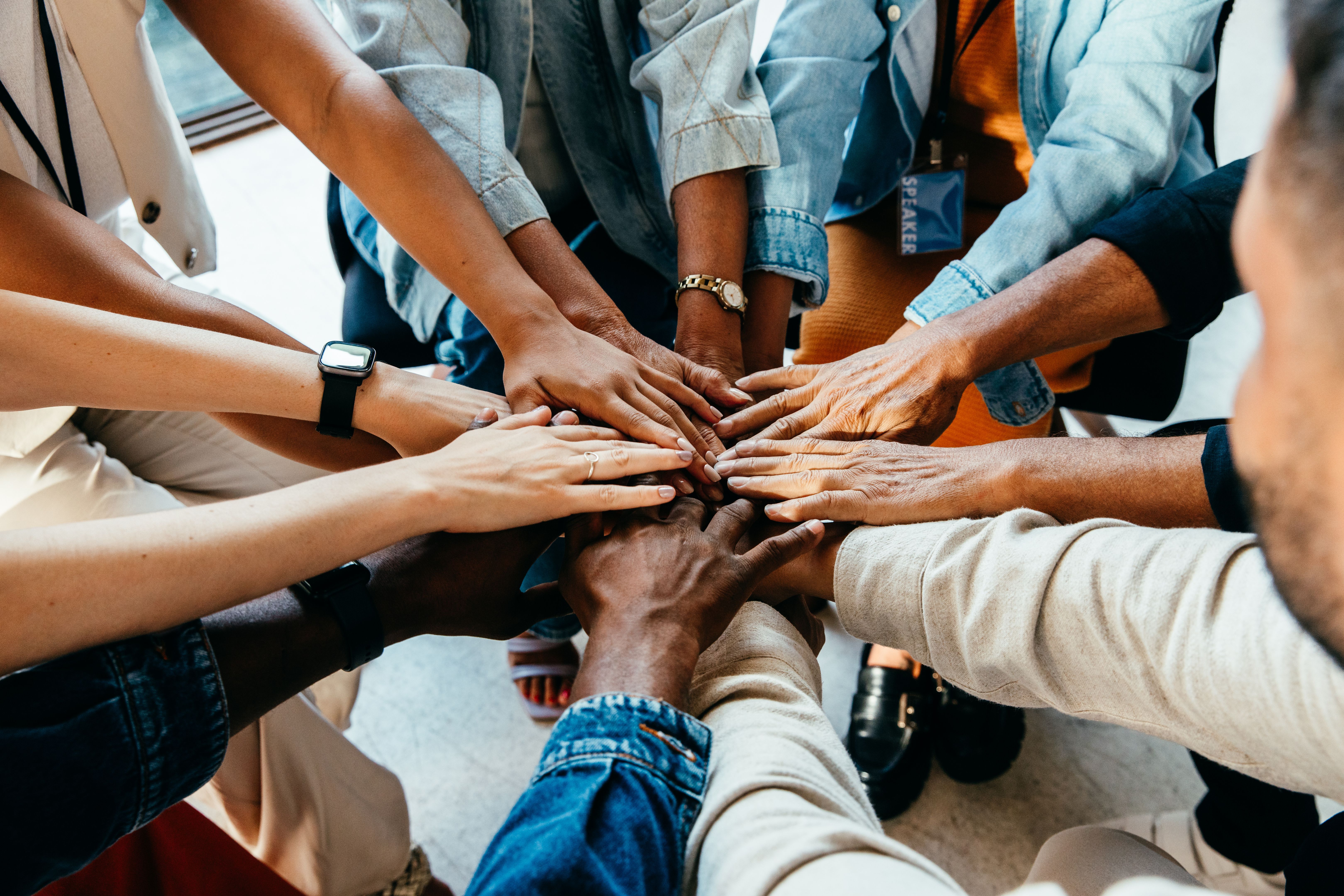
Local community programs play a crucial role in supporting TBI recovery by providing access to specialized care, educational resources, and emotional support. These programs often collaborate with healthcare providers to offer a holistic approach to treatment, ensuring that all aspects of recovery are addressed.
By engaging with community programs, individuals with TBI can benefit from a network of support that extends beyond traditional medical treatment. This can include therapy sessions, support groups, and educational workshops designed to empower patients and their families.
Therapy and Rehabilitation Services
Many community programs offer therapy and rehabilitation services tailored to the needs of TBI patients. These services may include physical therapy, occupational therapy, and speech therapy, all of which are essential for improving function and quality of life.

Support Groups and Counseling
Support groups and counseling sessions are vital components of TBI recovery. These provide a safe space for individuals and their families to share experiences, challenges, and successes. Through peer support, patients can gain insight into their condition and learn from others who have faced similar challenges.
Counseling services also help address the emotional and psychological aspects of TBI, offering strategies to cope with anxiety, depression, and other common mental health issues associated with the condition.
Educational Workshops and Resources
Education plays a significant role in the recovery process. Local community programs often organize workshops and seminars to educate patients, families, and caregivers about TBI. These events cover a wide range of topics, from understanding the medical aspects of TBI to practical tips for day-to-day living.

Additionally, many programs provide access to resources such as informational pamphlets, online courses, and webinars, making it easier for individuals to stay informed and engaged in their recovery journey.
Accessing Community Programs in New York
For individuals living in New York, accessing these community programs is relatively straightforward. Many organizations have websites and contact information readily available, allowing patients and their families to reach out and learn more about the services offered.
It's essential to explore the various options available and connect with programs that best suit the individual's needs and preferences. By taking advantage of these resources, those affected by TBI can find the support necessary to enhance their recovery and improve their overall well-being.