Seasonal Fitness Tips for TBI Survivors: Staying Active Year-Round
Introduction
Staying active is crucial for everyone, but for Traumatic Brain Injury (TBI) survivors, it plays an essential role in rehabilitation and overall well-being. Engaging in regular physical activity can help improve cognitive function, mood, and physical health. This guide offers seasonal fitness tips to keep TBI survivors active year-round.

Spring: Embrace the Outdoors
As the weather warms up, spring is the perfect time to start enjoying outdoor activities. Walking or hiking in a park can be a gentle way to ease back into exercise. Be mindful of uneven terrain, which can pose a challenge. Always wear appropriate footwear and consider using walking sticks for added stability.
Gardening for Growth
Gardening is not only therapeutic but also offers a moderate workout. Planting flowers or vegetables can enhance hand-eye coordination and provide a sense of accomplishment. Remember to take breaks and avoid overexertion.
Summer: Stay Cool and Hydrated
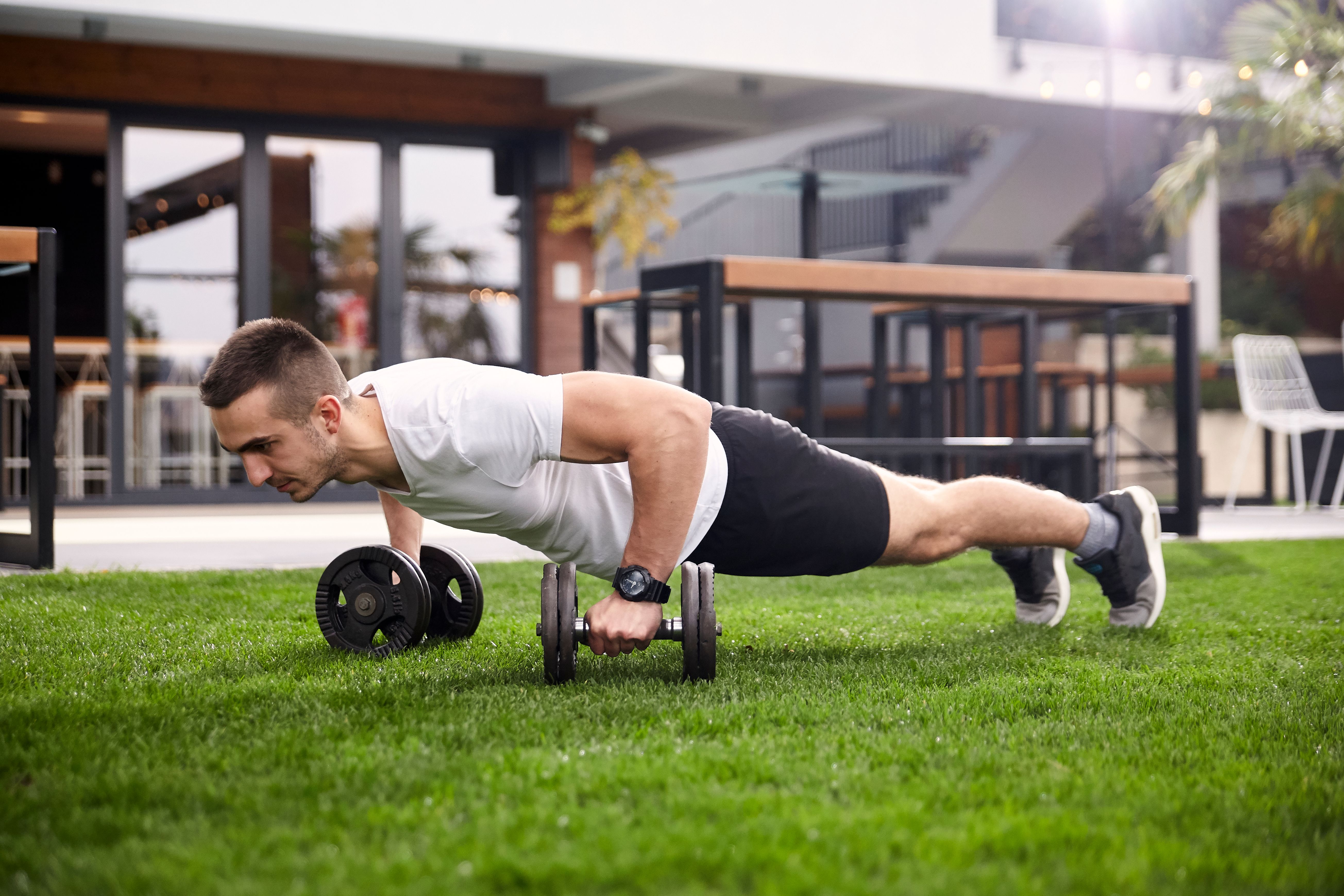
Summer activities should focus on staying cool and hydrated. Swimming is an excellent low-impact exercise that strengthens muscles without putting strain on the joints. Always swim with a buddy for added safety.
Morning and Evening Routines
To avoid the midday heat, consider exercising in the early morning or evening. Activities like yoga or tai chi in a shaded area can be refreshing and help improve balance and flexibility.

Autumn: Enjoy the Crisp Air
Autumn offers a perfect climate for outdoor activities. Cycling on flat trails can be a fantastic way to enjoy the fall scenery. Ensure that you wear a helmet and other protective gear to prevent injury.
Join a Class
Consider joining a local fitness class designed for TBI survivors. These classes often focus on improving coordination and strength in a supportive environment. Engaging with a community can also provide motivation and encouragement.

Winter: Stay Active Indoors
Winter can pose challenges, but it also offers opportunities to explore indoor activities. Home workouts with resistance bands or light weights can keep you active without needing to brave the cold.
Consider Adaptive Sports
Many communities offer adaptive sports programs for individuals with disabilities. Adaptive skiing or snowshoeing can be exhilarating and provide a great workout. Always consult with a healthcare professional before trying new activities.

Conclusion
Staying active throughout the year is important for TBI survivors. By adapting activities to suit the season and individual capabilities, exercise can be safe, enjoyable, and beneficial. Remember to listen to your body and consult with healthcare providers to tailor fitness plans to your needs. Embrace each season and the opportunities it brings for growth and recovery.