Expert Insights: The Role of Fitness in TBI Recovery
Understanding Traumatic Brain Injury (TBI)
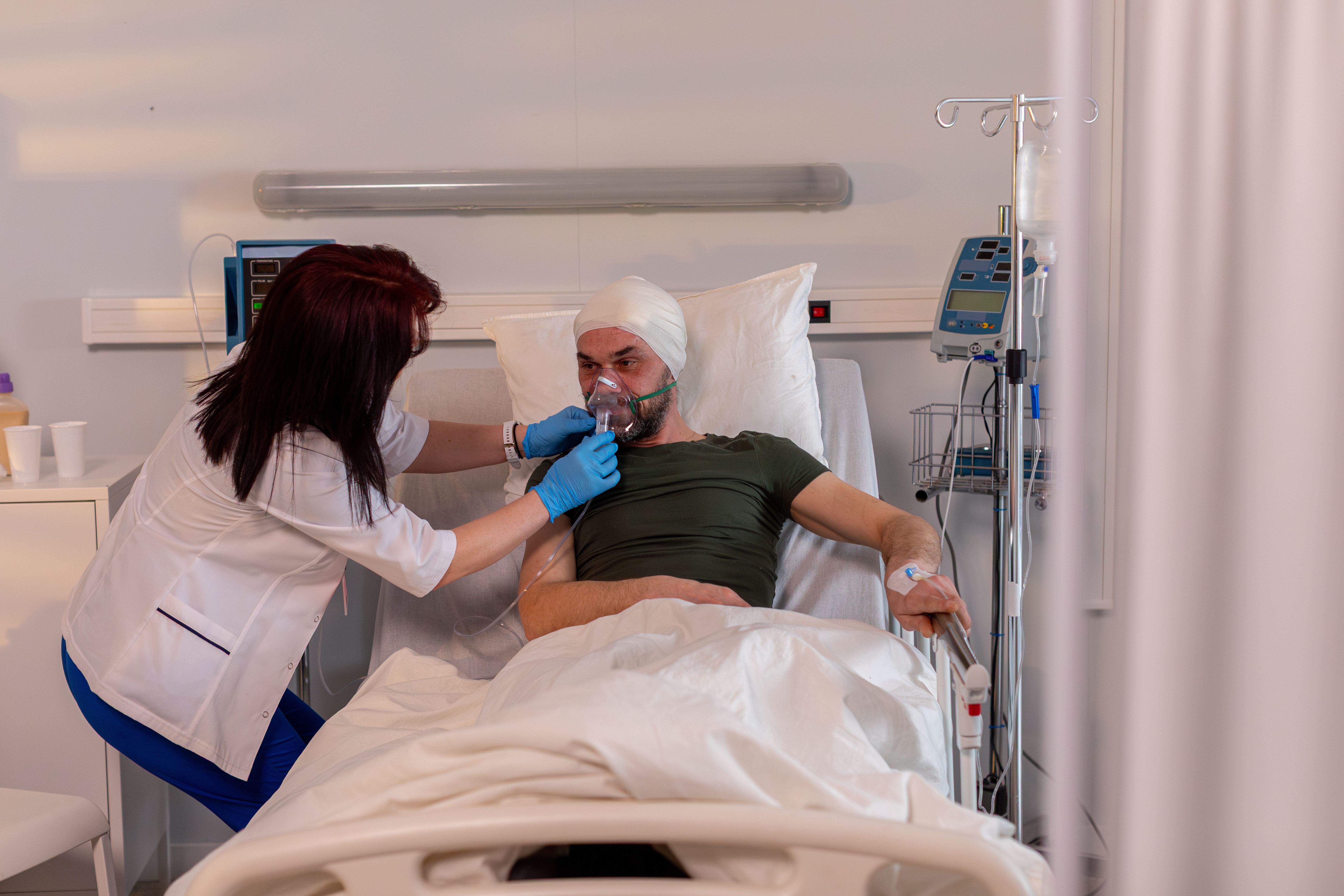
Traumatic Brain Injury (TBI) is a complex injury with a wide spectrum of symptoms and disabilities. The impact on a person's physical and cognitive abilities can be profound, affecting their quality of life significantly. Recovery from TBI is a multifaceted process that requires a comprehensive approach, including medical treatment, therapy, and lifestyle changes.
One of the critical components in the recovery process is fitness and physical activity. Research has shown that engaging in regular exercise can have a positive impact on the recovery journey, aiding both physical and cognitive rehabilitation.
The Science Behind Fitness and TBI Recovery
Exercise is known to stimulate the production of neurotrophic factors, which are proteins that aid in the survival and growth of neurons. This process is crucial for brain repair and regeneration. Additionally, physical activity can enhance neuroplasticity, the brain's ability to form new connections and pathways. This is particularly beneficial for individuals recovering from TBI, as it helps in regaining lost functions and improving cognitive abilities.
Moreover, regular exercise can improve cardiovascular health, which ensures better blood flow and oxygen supply to the brain. This supports overall brain health and aids in the recovery process.
Types of Exercises Beneficial for TBI Recovery
Not all exercises are suitable for TBI patients. It is important to tailor fitness routines to the individual's specific needs and abilities. Here are some recommended types of exercises:
- Aerobic Exercises: Activities like walking, swimming, or cycling can help improve cardiovascular health without putting too much strain on the body.
- Strength Training: Light resistance exercises help in rebuilding muscle strength and improving coordination.
- Balance and Coordination Exercises: Yoga and tai chi are excellent for enhancing balance and reducing the risk of falls.
Creating a Safe Exercise Routine
When developing a fitness plan for TBI recovery, it is crucial to work with healthcare professionals, such as physiotherapists and occupational therapists. They can provide guidance on suitable exercises and monitor progress to ensure safety. It's also important to start slowly and gradually increase the intensity as tolerated.
Listening to the body is key. If any activity causes pain or discomfort, it should be stopped immediately, and medical advice should be sought. Regular assessments with healthcare providers can help in adjusting the exercise program as needed.
The Role of Mental Health in Fitness
Mental health is another crucial aspect of TBI recovery. Exercise has been shown to reduce symptoms of depression and anxiety, which are common in TBI patients. The release of endorphins during physical activity can lead to improved mood and a sense of well-being.
Engaging in group activities or working with a personal trainer can also provide social interaction, which is beneficial for emotional health. This added support can be a motivating factor in maintaining a regular exercise routine.

Conclusion: A Holistic Approach to Recovery
Fitness plays a vital role in the recovery process for individuals with TBI. It supports physical, cognitive, and emotional rehabilitation, contributing to a better quality of life. By incorporating tailored exercise routines, individuals can enhance their recovery journey and regain independence.
For anyone dealing with TBI, an integrated approach that combines medical treatment, therapy, and fitness is essential. With the right support and resources, recovery is not just a possibility but a pathway to a healthier and more fulfilling life.