Comprehensive Guide to TBI Recovery Fitness
Understanding Traumatic Brain Injury (TBI)
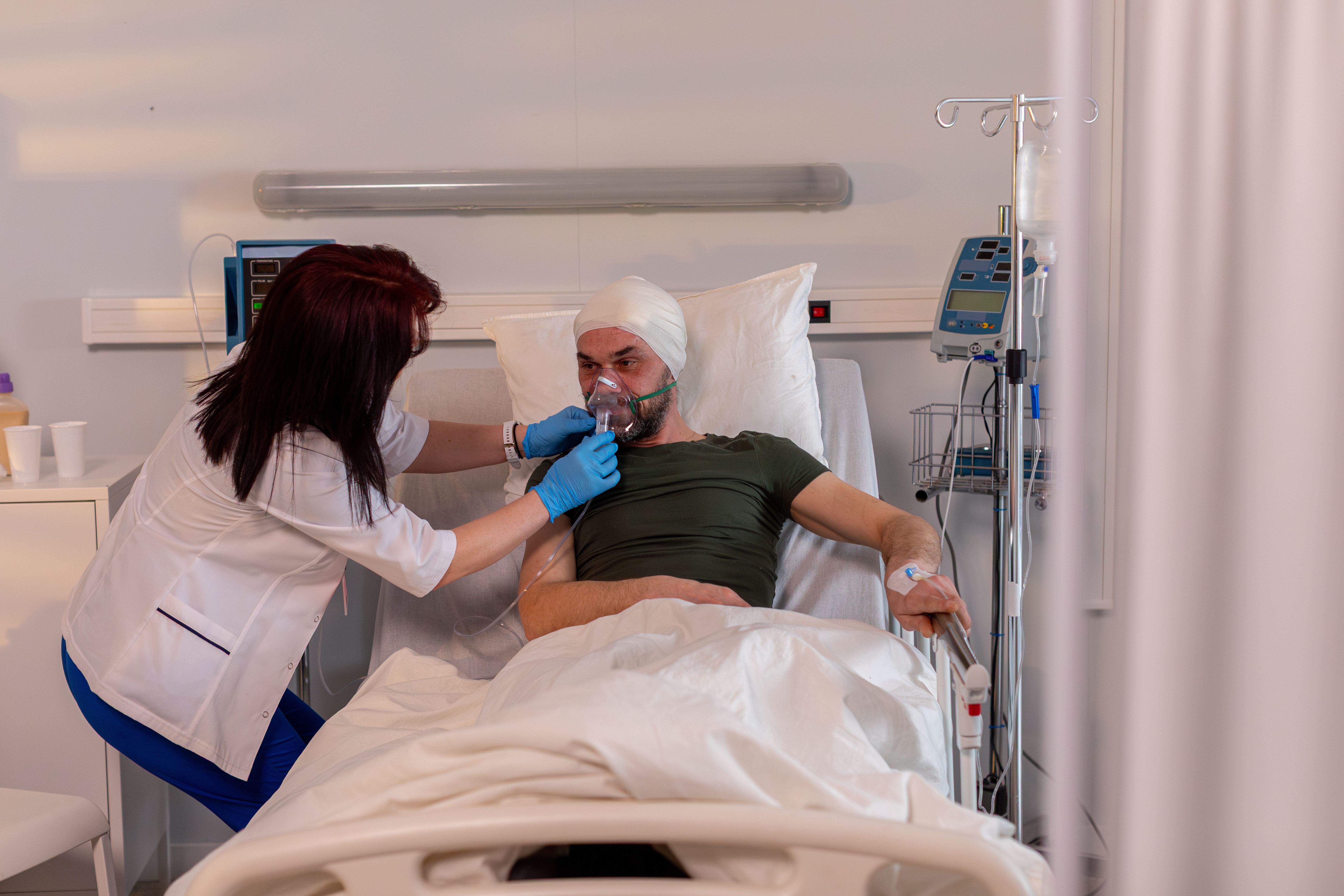
Traumatic Brain Injury, or TBI, is a complex injury with a broad spectrum of symptoms and disabilities. It can result from a bump, blow, or jolt to the head or a penetrating head injury that disrupts the normal function of the brain. The journey to recovery can be challenging, but incorporating fitness into your rehabilitation plan can be highly beneficial.
The Role of Exercise in TBI Recovery
Exercise plays a critical role in the recovery process for individuals with TBI. Physical activity can help improve cognitive function, balance, and mood. It also supports neuroplasticity, the brain's ability to reorganize itself by forming new neural connections. This is crucial for recovering lost skills and adapting to new challenges.
Before starting any exercise program, it's important to consult with healthcare professionals to ensure that the activities are safe and suitable for your specific condition. A tailored fitness plan can address both physical and cognitive needs, promoting overall well-being.
Types of Exercises Beneficial for TBI
There are several types of exercises that can be beneficial for individuals recovering from TBI:
- Aerobic exercises: Activities such as walking, swimming, or cycling can improve cardiovascular health and enhance mood.
- Strength training: Building muscle strength helps support daily activities and improves overall stamina.
- Balance and coordination exercises: Yoga and tai chi are excellent for improving stability and coordination, which are often affected by TBI.
Creating a Safe Exercise Environment
Safety is paramount when engaging in fitness activities post-TBI. Here are some tips to consider:
- Start slowly: Gradually increase the intensity and duration of workouts to avoid overexertion.
- Use proper equipment: Ensure you have the right gear to prevent injuries.
- Monitor your symptoms: Pay attention to how your body responds and stop if you experience dizziness, headache, or nausea.
Working with Professionals
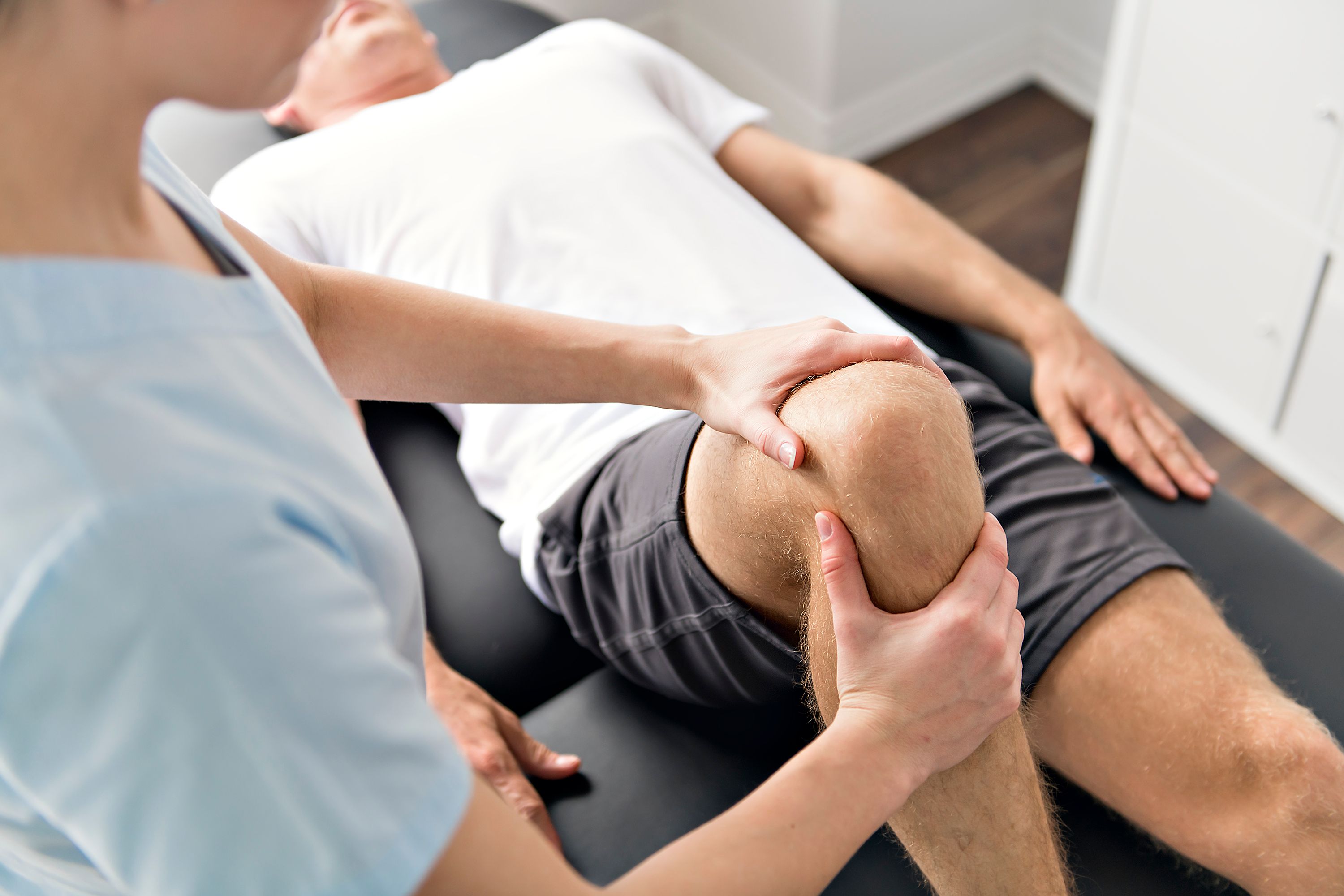
Engaging with healthcare professionals, such as physical therapists, can provide valuable guidance in your fitness journey. These experts can design a customized exercise regimen tailored to your specific needs and monitor your progress, making adjustments as necessary.

The Importance of Patience and Persistence
Recovery from TBI is a marathon, not a sprint. It's vital to maintain a positive mindset and be patient with your progress. Celebrate small victories along the way, and remember that consistency is key. Regular exercise, even when challenging, can lead to significant improvements over time.
Support Systems and Community
Having a strong support network can make a significant difference in your recovery process. Joining support groups or connecting with others who have experienced TBI can provide emotional support and motivation. Sharing experiences and tips can enhance your recovery journey and provide a sense of community.
Incorporating fitness into your TBI recovery plan can be transformative. With the right approach and support, exercise can enhance both physical and mental health, paving the way for a more fulfilling life post-injury.